
Review · JAPAN
Osaka Authentic Local Izakaya Hopping Experience: Food & Drinks
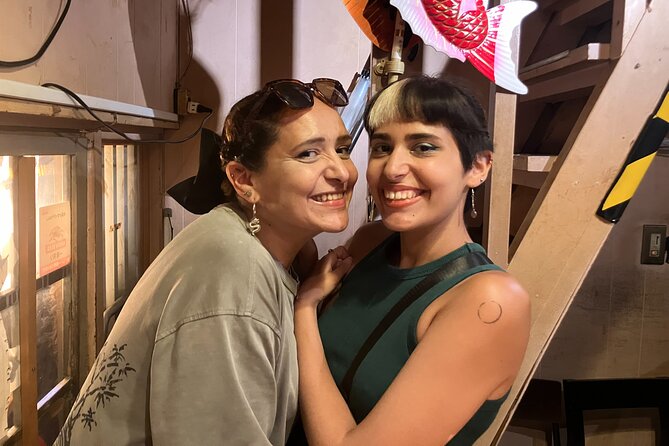
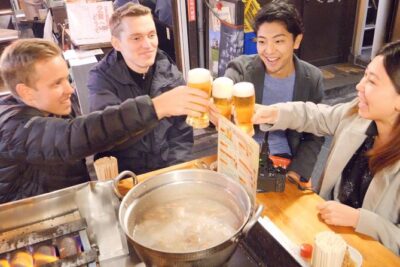
Osaka’s best night out may begin behind a plain doorway where there is barely room for seven people. This ultra-small izakaya tour takes you into the narrow backstreets around Namba, Dotonbori, and Sennichimae, where local regulars eat, drink, and chat. Guide Tetsu handles the introductions, menus, and social rules, so you can relax instead of guessing your way through the evening.
I like two things right away: the group never exceeds three people, and the food and drink stops are chosen for their local character rather than their tourist appeal. You might try oden with sake, fugu, dashi wari, small plates, beer, or shochu, depending on the night and the recommendations at each place.
The catch is that food and drinks are not included in the $39.64 tour price. You should also bring cash, expect very limited vegetarian and vegan choices, and feel comfortable sitting close to other people in tiny bars.
Key points to know before you book
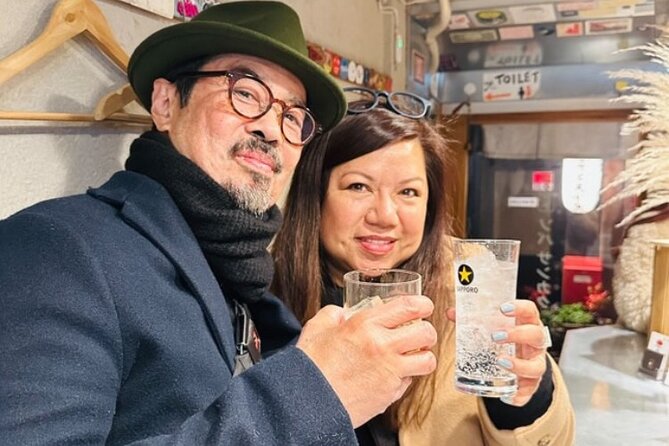
- Three guests maximum: This is built for solo visitors, couples, and pairs who want personal attention.
- Three or four local stops: The route may include izakayas, bars, food stalls, and possibly karaoke.
- Tetsu provides the bridge: He translates menus, explains customs, and helps you speak with local owners and customers.
- Budget about 5,000 yen extra: Around 2,000 yen may cover three or four drinks, while about 3,000 yen usually buys plenty of food.
- Namba after dark: The walk connects Hozen-ji, Dotonbori, Sennichimae, and the Ura-Namba backstreets.
- Cash and flexibility matter: Most small places accept cash only, and the exact stops can change with the group and the night.
Why this tiny Osaka pub crawl feels different
Many Osaka food tours move through busy streets and established restaurants. This one is built around the places you might pass without noticing: a narrow doorway, a small sign, a stairway, or a bar tucked into a back alley.
That difference matters. In a tiny izakaya, you are not simply ordering a dish and leaving. You may sit close to the chef, watch regulars come and go, and get pulled into a short conversation once Tetsu has helped with the language. The setting is often more social than polished.
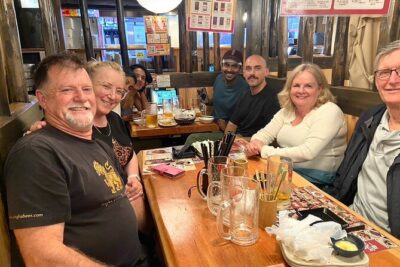
The three-person limit is the key. A larger group would not fit comfortably in several of these bars. It would also change the mood. With one or two other people, Tetsu can adjust the pace, explain what is on the menu, and respond to your interests.
I would choose this tour early in an Osaka visit, ideally on your first or second night. It gives you a local orientation to Namba and may point you toward places you can revisit later. It is also a strong choice for a solo visitor who wants company without joining a large organized group.
More Izakaya and Golden Gai Bar Hopping in Japan:
- Tokyo Bar Hopping Tour in Shinjuku (All-You-Can-Drink + Dinner)
★ 5.0 · 3,587 reviews - Tokyo: Shinjuku Bar Hopping with All-You-Can-Drink & Dinner
★ 4.9 · 440 reviews - Hiroshima Izakaya Food and Drink Night Tour
★ 5.0 · 297 reviews
Hozen-ji Temple: a quiet start near Namba
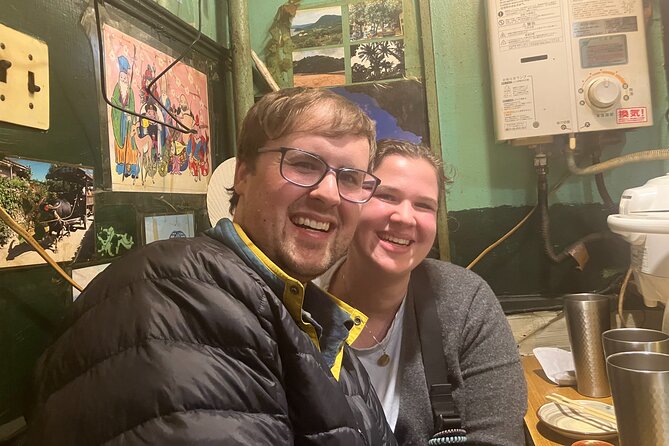
The evening begins at 2-chōme-10-1 Sennichimae, close to public transportation, and includes a short walk to Hozen-ji Temple. This first stop takes about 10 minutes and costs nothing to enter.
Hozen-ji is a small temple tucked into an old-style lane near the bright signs and crowds of Dotonbori. The contrast is the point. You move from Osaka’s famous entertainment district into a calmer pocket with a more intimate feel.
The temple is known for its moss-covered Fudo Myoo statue. Visitors traditionally pour water over the statue, which helps explain its green surface. The stop is brief, but it gives you a useful sense of how old lanes and religious sites sit beside modern nightlife in central Osaka.
Do not expect a major sightseeing visit here. This is a short introduction before the food begins, not a full temple tour. Still, I like the choice. It slows the evening down and gives Tetsu a chance to explain the area before taking you into the bars.
Dotonbori backstreets: one and a half hours of small plates
The first main food section takes place around Dotonbori, but not on the famous main strip. You step into side streets where local diners gather and stop at one or two small izakayas or bars.
Dotonbori is famous for giant signs, canal views, and restaurants aimed at a wide audience. The side streets tell a different story. Here, the rooms can be plain, compact, and filled with dishes that are less familiar to an international audience.
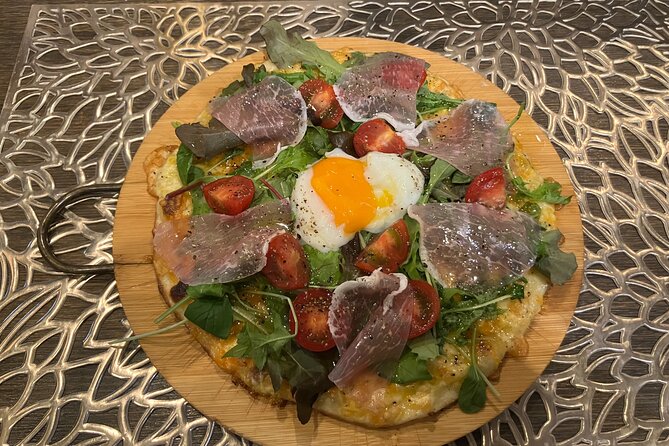
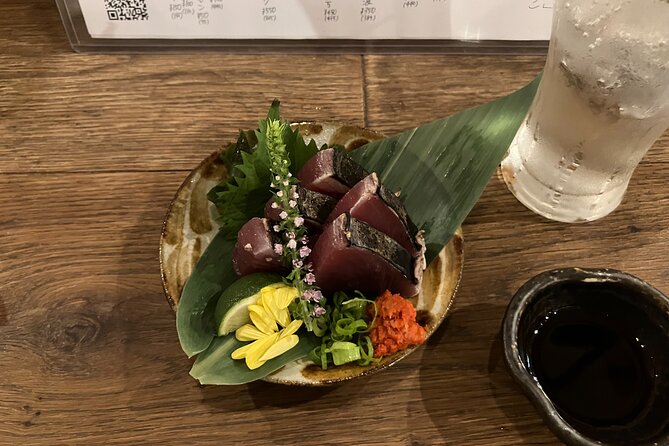
The exact menu changes with the establishment and the day. The experience may include small plates, seasonal items, oden, seafood, grilled food, or other izakaya favorites. One particularly memorable possibility is fugu, which appeared in the form of fugu and fugu-infused sake on some outings. You should treat such dishes as possibilities, not promises.
This is also where Tetsu’s role becomes useful. Some places may have no English menu, and a chef’s recommendation may be more interesting than the safest item you already recognize. Tetsu can explain the options, suggest drinks, and translate when conversation begins with the staff or other customers.
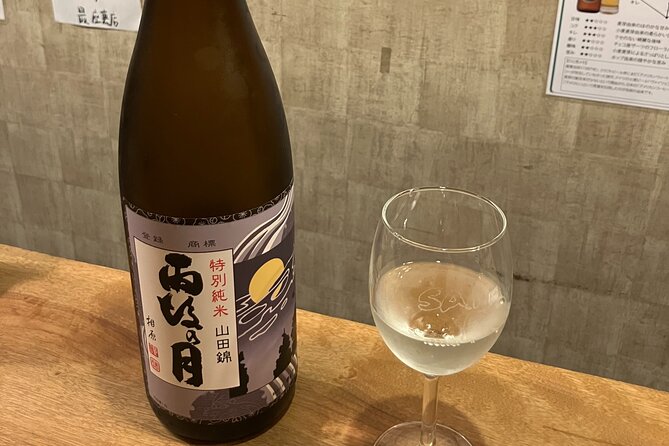
Drinks may include beer, sake, shochu, or non-alcoholic choices. A dashi wari, a drink made by combining sake with dashi broth, is another unusual possibility. It is the sort of local specialty you are unlikely to order confidently without help.
The pace is not a race. You order, eat, talk, and then move on when it feels right. That makes the tour more like an evening with a local friend than a checklist of restaurants.
Sennichimae and Ura-Namba: Osaka’s local night rhythm
The second main section lasts about 1 hour and 20 minutes and takes you through Sennichimae and Ura-Namba. This area is packed with small izakayas and bars popular with local residents.
The streets here reward a guide who knows where to look. Some establishments are so small that a group of seven or eight would fill the room. That explains both the three-person maximum and the emphasis on personal connections with owners.
You may stop at one or two more places, often with a different mood from the Dotonbori stops. One bar may be lively and social. Another may be quiet, with the chef preparing a few dishes while regulars sit at the counter. The contrast between stops is part of the appeal.
At each place, you choose and pay for your own food and drinks. That gives you control, but it also means you should keep track of your spending. A useful working budget is about 2,000 yen for three or four drinks and about 3,000 yen for a filling selection of food. Your actual total depends on what you order and how long you stay.
Portions are often suited to sharing and sampling. This is a good format if you want to taste several local dishes rather than commit to one large meal. It is less useful if you want a set dinner with a guaranteed menu.
Some evenings may include a small karaoke bar after the izakaya visits. This is not presented as a fixed stop, so do not book the tour solely for karaoke. If it happens, it can be a natural finish to a social evening, especially after Tetsu has helped everyone get comfortable with the local scene.
More Food and Drink Tours in Japan:
- Sapporo Bar Hopping Food Tour
★ 5.0 · 232 reviews - Tokyo: Shinjuku Food Tour Highlights (Best Eats)
★ 5.0 · 100 reviews - Hiroshima: Bar Hopping Food Tour
★ 4.9 · 48 reviews - 3.5h Osaka Night guided Local Bar Hopping, Sake & Karaoke
★ 5.0 · 27 reviews
What Tetsu adds to the night
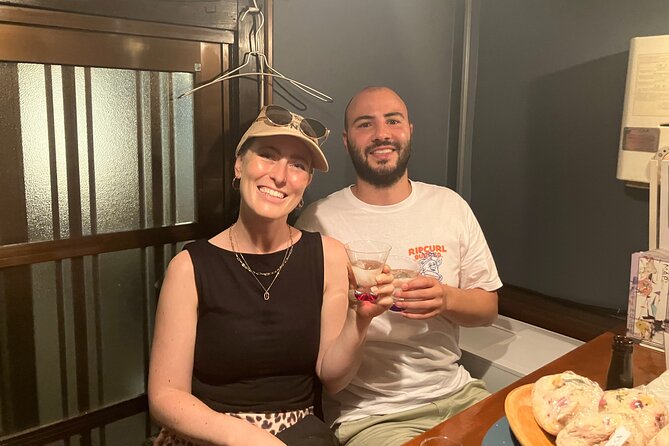
The guide is the central reason this experience works. Tetsu is not only leading a walk between restaurants. He is helping you enter places where a visitor may hesitate to walk in alone.
His practical help includes menu translation, food and drink suggestions, explanations of izakaya customs, and introductions to owners or regulars. He can also explain useful Japanese phrases and clarify what is happening when a conversation moves quickly.
That social help is important in Japan, where many small bars rely on repeat local customers and have limited seating. You may be welcomed warmly, but you still need to understand how the room works. Tetsu gives you the confidence to participate without turning the evening into a formal language lesson.
He also appears to adjust the route to the people in the group. If you have already eaten, the emphasis can shift toward drinks and conversation. If you want to try more food, the stops can focus on dishes. The number of places may change according to preferences, the day, and conditions at the bars.
This flexibility is a real benefit, but it means you should not expect a fixed list of restaurants. The tour is about the local night rather than a guaranteed menu or exact sequence.
Food and drink: plan for tasting, not a set dinner
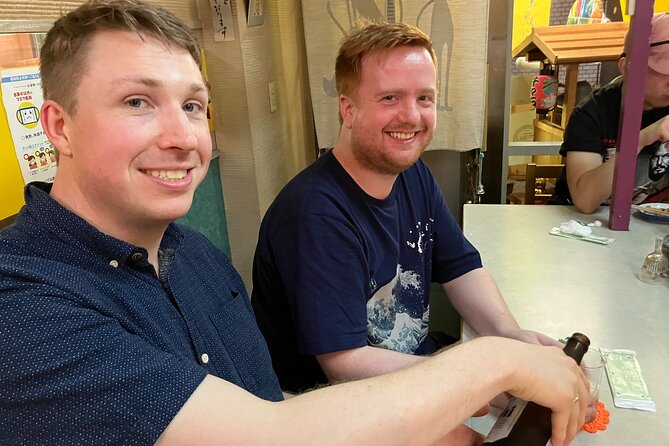
The tour price covers the guide and the experience, not your tab at each izakaya. At $39.64 per person, I consider the price fair for a private-feeling introduction to places that are hard to locate and enter on your own. You still need to budget for the evening itself.
Bring cash. The small local spots generally accept it, and relying on a card could create an awkward moment. The food is reasonably priced by local standards, but your total rises if you order premium sake, several rounds, or extra stops.
You can join even if you have already eaten. In that case, order a few small plates or focus on drinks. If you arrive hungry, a budget of around 3,000 yen for food should usually let you try a wide range of dishes and finish satisfied, based on the typical spending guidance for the experience.
Vegetarian choices are limited, and vegan choices are very limited. If you follow either diet, eat something substantial beforehand and explain your needs clearly. The guide will try to help, but this is not a specialist vegetarian food tour.
The same advice applies to allergies. You are responsible for participating safely, but the guide will do what he can to support you. Do not assume that a dish is safe because it looks simple. Ask before ordering.
Non-alcoholic drinks are available, so you do not need to drink alcohol to take part. Still, the tour centers on izakaya culture, and much of the atmosphere comes from eating and drinking together. If you dislike bar settings or prefer a quiet scheduled meal, choose another type of food tour.
Group size, walking, and practical details
The activity lasts about three hours and ends back at the meeting point. The listed stop times add up to a little over three hours, so allow some flexibility rather than planning a tight connection immediately afterward.
The route is in central Osaka, around Namba, Dotonbori, Sennichimae, and Ura-Namba. You walk between stops, with the exact distance depending on the night’s choices. Wear comfortable shoes, especially if you plan to continue exploring afterward.
The tour runs in rainy weather unless there is a typhoon or a heavy rain warning. Bring an umbrella when the forecast looks poor. The small bars themselves offer shelter, but you still need to walk between them.
The group maximum is three. A single person can book, and the experience is designed to work well for solo visitors. Pairs are also a natural fit. If your party has four or more people, contact the operator before booking because availability, price, and the route may need to change.
Anyone under 20 cannot drink alcohol under Japanese law. If your group includes someone under 16, contact the operator before booking to confirm whether the experience can be arranged.
Oversized luggage is not permitted. Arrive on time, and contact the operator if you are delayed because the tour begins at the stated time. Same-day booking may be available until one hour before the start, but I would not rely on that during a busy Osaka evening.
Free cancellation is available up to 24 hours before the start time. Cancellations or changes inside that window are not refunded or accepted.
Who should book this Osaka izakaya experience?
I would book this if you are traveling solo, as a couple, or with one friend and want a social night without a large group. It is particularly useful if you are nervous about entering small Japanese bars, cannot read menus, or want someone to explain the unwritten rules.
Food-minded visitors who enjoy trying unfamiliar dishes will get the most from it. The menu can range from comforting traditional fare to bold items, and the guide can steer you toward local specialties. The experience also suits people who want to meet residents rather than spend the whole evening in tourist-facing restaurants.
I would think twice if you need a guaranteed vegetarian or vegan meal, dislike alcohol-centered settings, or want a polished culinary class. The food is not included, the route changes, and the rooms may be cramped. You should enjoy a little uncertainty.
The tour is also not ideal for a large family group or a party that wants to stay together at one restaurant. Its strength comes from the small scale. Three people can fit into places that a standard food tour cannot reach.
Should you book it?
Book it if you want Osaka nightlife with a local guide, small portions across several stops, and a real chance to sit beside regulars in tiny neighborhood bars. The combination of Tetsu’s translation, personal introductions, and a three-person limit gives you access that is difficult to create on your own.
Before booking, set aside roughly 5,000 yen for food and drinks, bring cash, and eat a little beforehand if you have strict dietary needs. If that sounds manageable, this is a strong choice for a memorable first night in Namba, especially for solo visitors and pairs who want a relaxed evening with room for surprise.
FAQ
How long does the Osaka izakaya tour last?
The experience lasts approximately three hours. It includes a short visit to Hozen-ji Temple, izakaya and bar stops around Dotonbori, and further stops in Sennichimae and Ura-Namba.
How many people can join the tour?
The maximum is three participants. The tour can also operate with only one participant, making it suitable for solo visitors.
Are food and drinks included in the tour price?
No. You choose and pay for food and drinks at each izakaya or bar. The suggested spending is about 2,000 yen for three or four drinks and about 3,000 yen for a filling range of food.
Should I bring cash?
Yes. The small local places visited generally accept cash, so bring enough Japanese yen for your food and drinks.
Are vegetarian, vegan, and non-alcoholic options available?
Non-alcoholic options are available. Vegetarian choices are limited, and vegan choices are very limited. You should eat beforehand if you have strict dietary requirements.
Where does the tour start and end?
The meeting point is 2-chōme-10-1 Sennichimae, Chuo Ward, Osaka, 542-0074, Japan. The activity ends back at the meeting point.
Can I cancel for a full refund?
Yes, if you cancel at least 24 hours before the experience start time. Cancellations and changes made less than 24 hours before the start are not refunded or accepted.
More Food Tours in Japan
- Private Food & Sake Tour in Central Kyoto with Sake Sommelier
★ 5.0 · 24 reviews - Kyoto: Food and Drink Bar Hopping Tour with Local Guide
★ 4.6 · 8 reviews - EXCLUSIVE Tokyo: Kichijoji Small-Group Food & Bar Hopping
★ 5.0 · 5 reviews - Private Fukuoka Bar Hopping and Food Walking Tour
★ 5.0 · 3 reviews
Just added for a night out in Japan
- Bar Hopping Private Tour in Kyoto(WAKUWAKU area)★ 5.0 · 4 reviews
- Tokyo: Shinjuku Golden Gai Bar Hopping that only locals know★ 5.0 · 3 reviews
- Himeji Bar Hopping Tour★ 5.0 · 3 reviews
- In Fukuoka! Guide to an izakaya only 100% locals know/Bar Hopping★ 5.0 · 43 reviews
- Private Fukuoka Bar Hopping and Food Walking Tour★ 5.0 · 3 reviews
- Izakaya & Bar Hopping Tour Around Aomori Station★ 5.0 · 3 reviews
- Tokyo:Shinjuku Ni-chome LGBTQ+ Bar Hopping Tour with Guide★ 5.0 · 2 reviews
- Tokyo: Shinjuku Nightlife Tour with Karaoke and Bar Hopping★ 4.1 · 4 reviews
Izakaya and Golden Gai Bar Hopping, compared.
Tokyo Bar Hopping Tour in Shinjuku (All-You-Can-Drink + Dinner)
Read our review →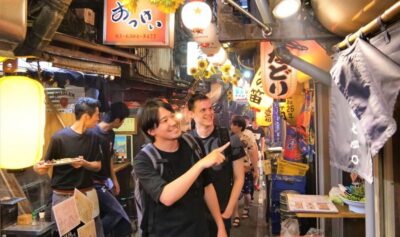
Tokyo: Shinjuku Bar Hopping with All-You-Can-Drink & Dinner
Read our review →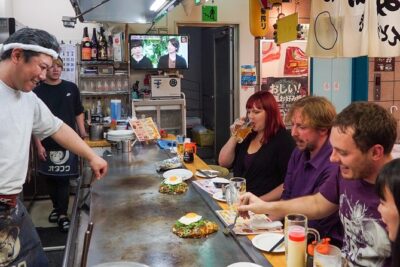
Tokyo: Shinjuku Local Bar Hopping Walking Tour
Read our review →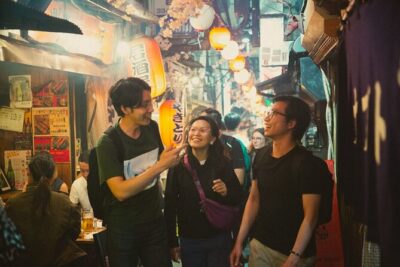
Shinjuku Izakaya and Golden Gai Bar Hopping Tour
Read our review →
Tokyo: Shinjuku Bar Hopping & Night Walking Tour
Read our review →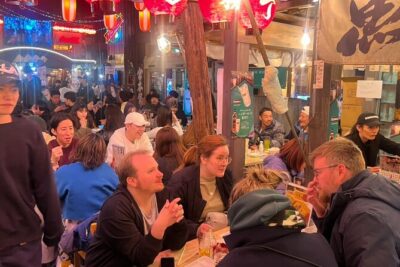
Tokyo: Shinjuku Food Tour Highlights (Best Eats)
Read our review →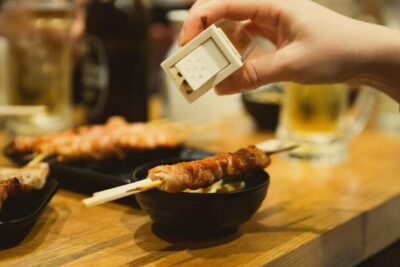
Tokyo: Shinjuku Izakaya and Golden Gai Bar Hopping Tour (2h)
Read our review →Browse the lists this tour appears in