
Review · TOKYO
EXCLUSIVE Tokyo: Kichijoji Small-Group Food & Bar Hopping
Kichijoji is the kind of Tokyo neighborhood you can walk through for hours and still miss the places locals actually use. This small-group night with guide Hibi takes you into narrow alleyways, family-run izakaya, and cozy bars where a little Japanese help makes a big difference. You get more than a meal: you get a seat at the neighborhood table.
I like the small group of six or fewer, which gives you a real chance to talk with Hibi and the people you meet. I also like the mix of food, language tips, and drinking customs. You are not simply handed dishes. You learn how to order, what to say, and how to take part without feeling awkward.
The main drawback is that drinks are not included, so the $109 price is only the starting cost. You also need to be at least 20 for the public tour, carry cash, and accept that strict vegan, vegetarian, and severe gluten-free diets cannot be fully accommodated.
Key points to know
- Hibi is the central link to Kichijoji: She knows local shopkeepers and handles ordering, interpretation, and etiquette.
- Three to five stops fit into three hours: Expect a moving evening rather than one long dinner.
- Drinks usually cost 400 to 700 yen each: Bring cash and coins for the small bars and food stops.
- The group is limited to six people: That matters when entering compact izakaya and alleyway counters.
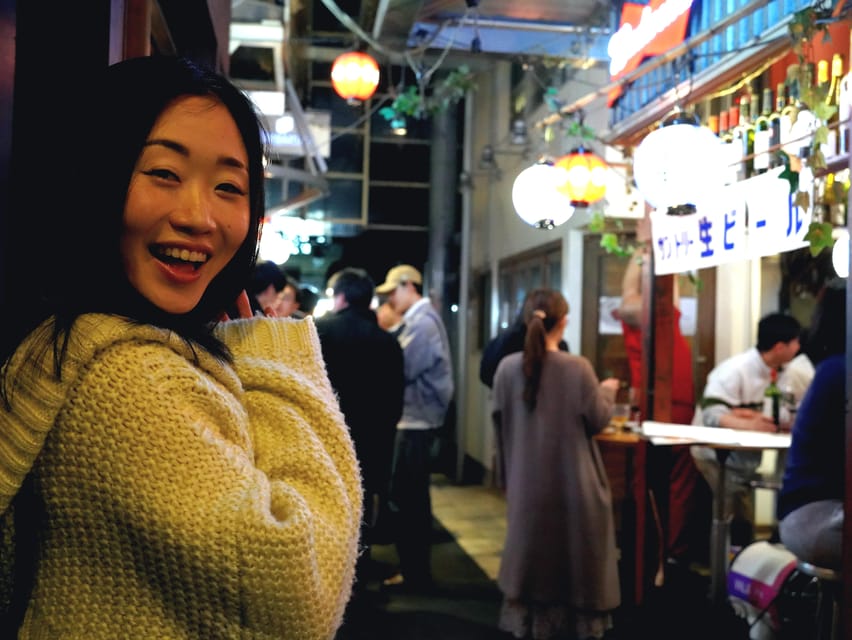
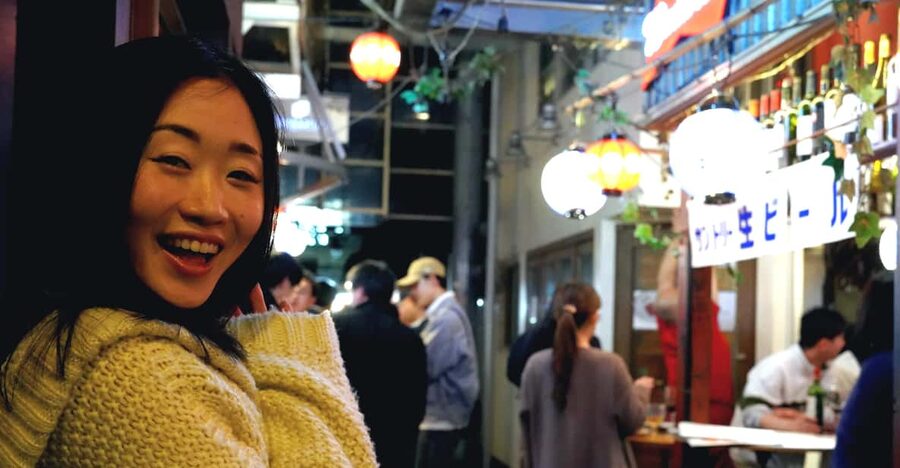
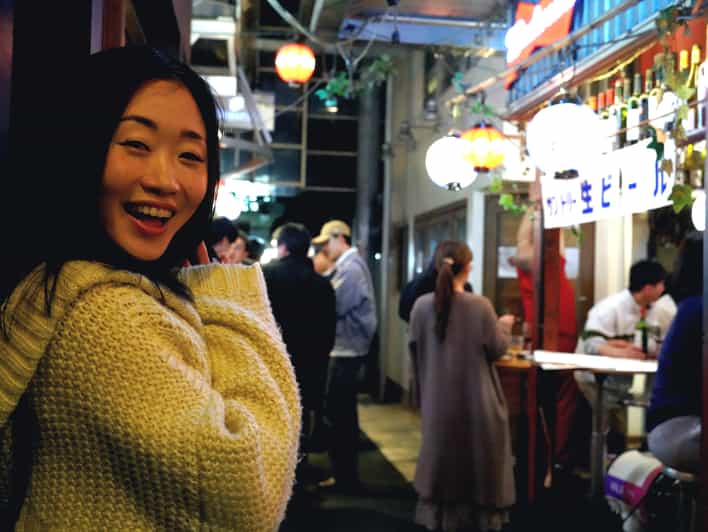
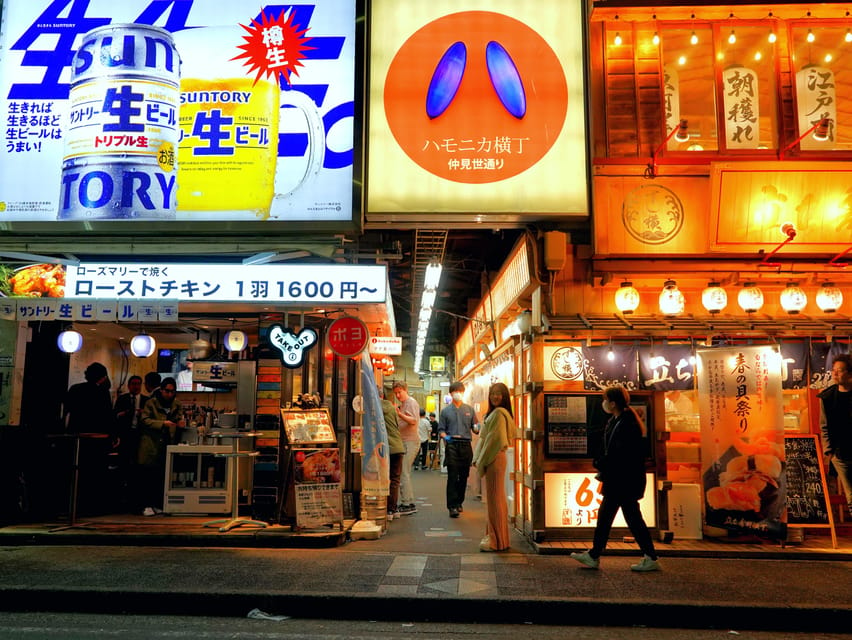
- Harmonica Alley is part of the appeal: The area is known for tight lanes and small places that can feel intimidating alone.
- Food restrictions need honest planning: Traditional kitchens may not be able to prevent cross-contact or change recipes.
Why Kichijoji makes a better night out than another tourist hub
Tokyo has famous nightlife districts, but famous does not always mean personal. Kichijoji offers a different kind of evening. It is known for Harmonica Alley and for small food and drink businesses where regulars return night after night.
I like this tour because it deals with the hardest part of that experience: getting through the door. A tiny bar with Japanese-only ordering, no photography signs, or a strong regulars-only feel can be difficult to approach when you are alone. Hibi acts as your bridge to the neighborhood.
That bridge matters. She does not only translate a menu. She helps you understand the rhythm of the evening, explains Japanese drinking etiquette, and recommends what to eat and drink at each stop. Her background as a language instructor adds practical value, especially if you want to learn phrases you can use after the tour.
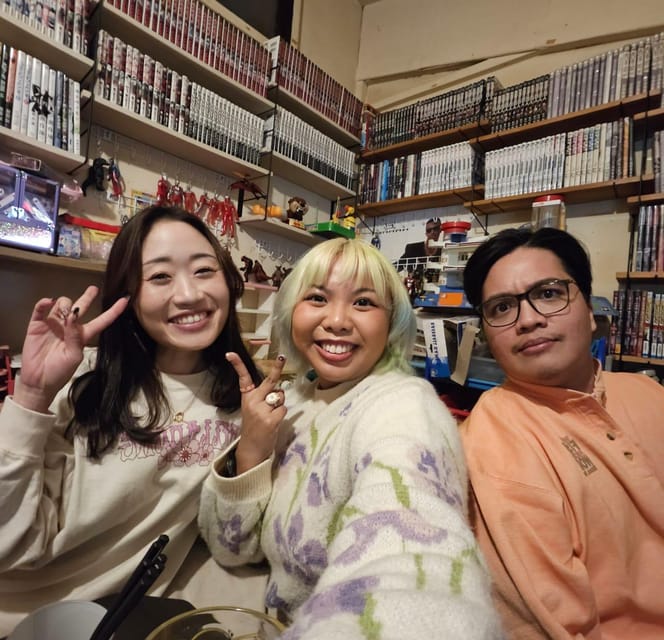
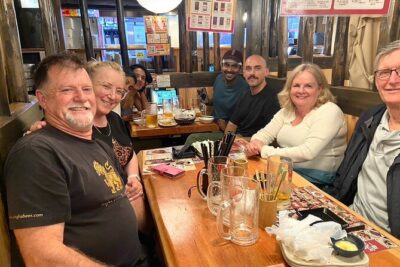
The tone is social, not formal. You move from place to place, eat small portions, raise a glass, and chat with local people. You might arrive expecting a standard food walk and leave with a better sense of how Japanese drinking tables work.
More Bar Hopping Tours in Japan
- Tokyo Bar Hopping Tour in Shinjuku (All-You-Can-Drink + Dinner)
★ 5.0 · 3,587 reviews - Shibuya Meltdown Nightlife Tour: All-You-Can-Drink Bar Hopping
★ 5.0 · 1,058 reviews - Tokyo: Shinjuku Bar Hopping with All-You-Can-Drink & Dinner
★ 4.9 · 440 reviews
Meeting Hibi beside Kichijoji Station
The meeting point is the Baskin-Robbins near the bus stop at the north exit of Kichijoji Station. In Japanese, the shop is listed as サーティワンアイスクリーム 吉祥寺店. Give yourself enough time to reach the north exit and find the ice cream shop before the scheduled start.
The warning about punctuality is worth taking seriously. Small groups often move on together, and the tour may include more than one group using the same meeting arrangement. Arriving early removes a needless problem at the start of an evening built around tight schedules and small businesses.
Wear comfortable shoes. You will be walking between several places, and Kichijoji is best experienced on foot. Bring a camera if you want street scenes, but pay attention to the rules inside each bar. Some places may have no-photography policies, so follow Hibi’s guidance rather than assuming every dish or room is fair game.
The opening walk through Kichijoji’s narrow lanes
The early part of the experience gives you your bearings in the neighborhood. You may stop for photographs for about 20 minutes, followed by a guided walk. This is not wasted time. The streets and alleys are part of the story, and the contrast between open Tokyo streets and cramped bar lanes helps explain why local help is useful.
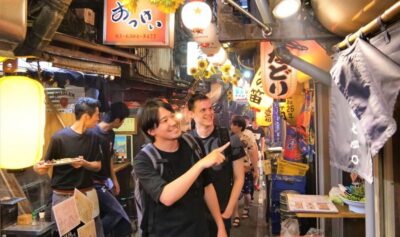
Harmonica Alley is the obvious visual draw. Its narrow passages and close-packed businesses create the setting people often hope to find when they want a less polished side of Tokyo nightlife. Still, keep expectations sensible. This is a working neighborhood, not a staged historical display. The pleasure comes from seeing how the area is used now.
Hibi can also explain small customs that are easy to miss. Japanese bar culture has its own manners around ordering, pouring, sharing food, and speaking with the people beside you. A short phrase or gesture can make the room feel less foreign. You do not need fluent Japanese, but you do need to be willing to listen and take part.
Three to five izakaya stops, each with a different feel
The main portion lasts about three hours and includes three to five izakaya, bars, and local food stops. The exact order and mix can vary, which is part of the point. You are not following a fixed restaurant menu. You are moving through a neighborhood selected for its small places and local character.
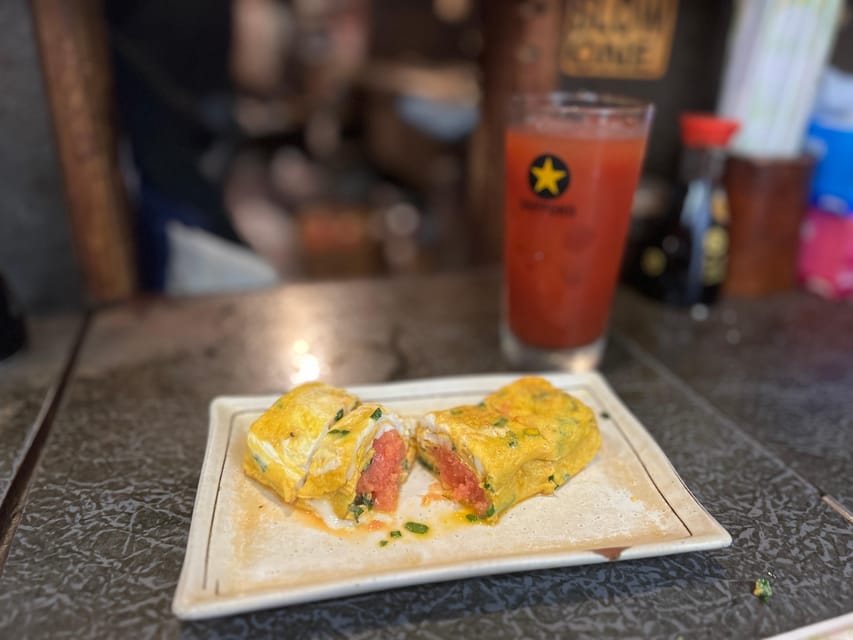
At one stop, you might sit down for a recommended dish and drink. At another, you might visit a food stall or a compact bar for a smaller taste. Hibi recommends local food at each place and helps you decide what to order. That is especially useful when menus are not written for an English-speaking audience.
The tour is designed around tasting rather than filling up at one restaurant. Three to five stops can mean smaller portions, shared dishes, and several chances to try something unfamiliar. If you want one large meal with a guaranteed menu, this may feel less predictable. If you like sampling and letting a local guide steer the evening, the format works well.
You also should not assume each stop will suit your personal taste. The food is described as varied and different, and the point is to try local specialties rather than stay with familiar choices. Tell Hibi about flexible dietary needs when you book. The more clearly you communicate, the easier it will be to discuss possible options.
More Bar Hopping Tours in Tokyo
- Tokyo: Shinjuku Local Bar Hopping Walking Tour
★ 5.0 · 186 reviews - Shibuya Meltdown Night Tour: All-You-Can-Drink Bar Hopping
★ 4.8 · 183 reviews - Shinjuku Izakaya and Golden Gai Bar Hopping Tour
★ 5.0 · 147 reviews - Tokyo: Shinjuku Bar Hopping & Night Walking Tour
★ 4.6 · 137 reviews
What the food and drink cost beyond the $109 tour fee
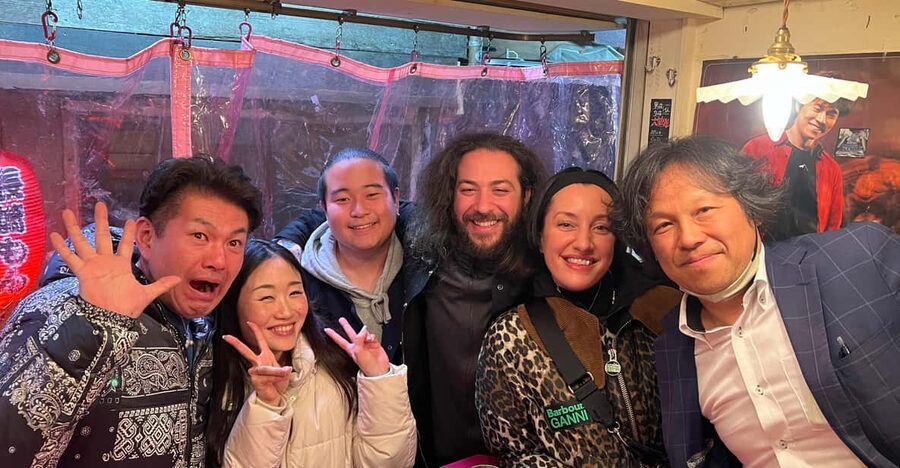
The tour costs $109 per person, which is a serious price for three hours. Its value depends on what you want from a food tour. You are paying for a small group, a bilingual guide, interpretation, local recommendations, cultural explanation, and access to places that may be difficult to approach alone.
You are not paying for the drinks. They usually cost about 400 to 700 yen each, and you may order at several stops. The final amount depends on how much you drink and how many rounds you choose. Food at the izakaya and stores is included as part of the tour, but the provided details do not give a separate drink allowance or a guaranteed number of beverages.
I would budget beyond the tour price and bring cash. The small bars may not be the place to rely on cards, and the instructions specifically encourage you to bring coins. That is practical advice, not a minor detail. Small payments are common during an evening that moves through local businesses.
For the right person, the fee can be worthwhile because it removes several barriers at once. You do not have to translate every menu, wonder about ordering etiquette, or decide which door to enter. For someone comfortable exploring Japanese bars alone, the price may feel high.
Why the six-person limit matters
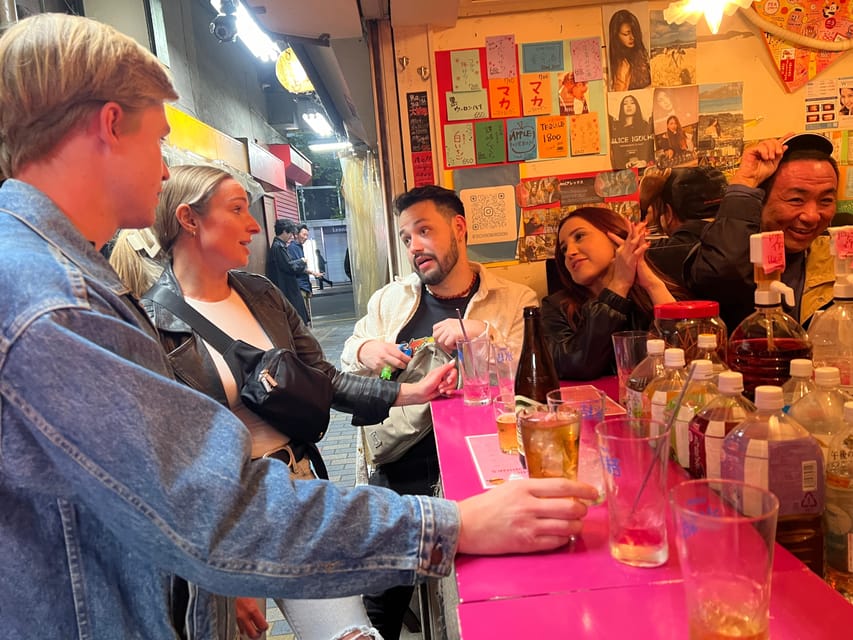
The group is limited to six participants. This is one of the strongest parts of the setup. Compact izakaya and hole-in-the-wall bars often have very little spare room. A large party could change the mood, take over a counter, or simply fail to fit.
A small group also makes conversation easier. You can ask Hibi about a dish, practice a Japanese phrase, or speak with local people without shouting across a large tour party. The evening feels closer to being introduced by a friend than being moved through a production line.
There is still a social element, so this is not ideal if you want a private dinner. You will share the time with other participants, and the best moments may involve chatting with people you have just met. Private tours are available for all ages, but the public tour is for people 20 and older.
Hibi’s role goes well beyond translation
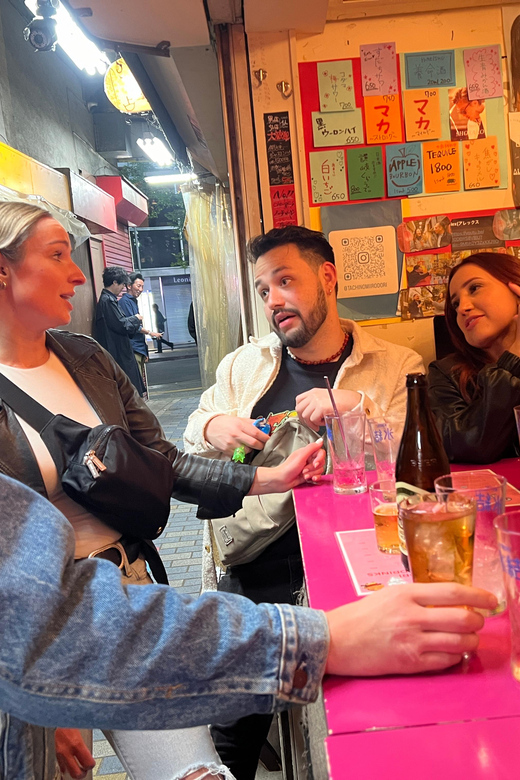
Hibi receives the strongest praise in the supplied feedback, and the details explain why. She is described as friendly, fun, and well connected in Kichijoji. Her local relationships help the group enter places that can feel closed off to outsiders.
That does not mean every door is literally reserved for the tour. It means the introduction carries weight. When Hibi speaks with the shop staff, you have context and support instead of standing outside trying to work out the rules.
Her language teaching experience is another useful touch. You get tips on practical Japanese phrases, not just a stream of facts. Even a simple greeting, thank-you, or ordering phrase can help you feel more involved in the meal.
I also like that the tour gives you room to choose food and drinks based on her recommendations. You are not only being served a preset sequence. You can ask questions, compare options, and decide how adventurous you want to be.
Drinking etiquette and conversation with locals
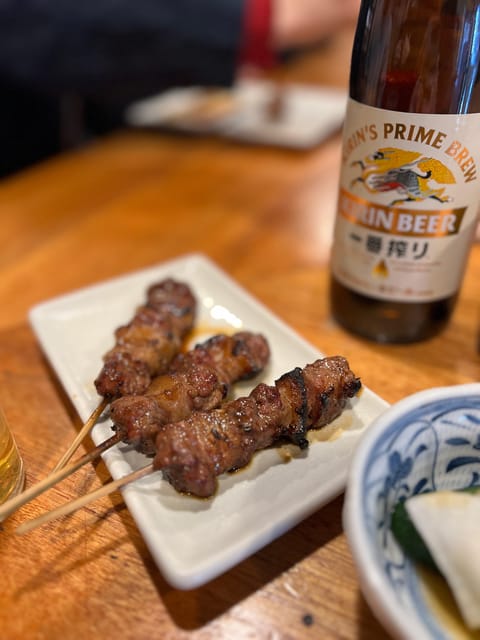
Japanese izakaya culture is built around shared food, drinks, and conversation. The table is often as important as the plate. Hibi explains the customs so you can join in without worrying that you have missed an unspoken rule.
This may include how to order, how to toast, how to share dishes, and how to show respect in a small bar. The exact advice will depend on the place, but the larger benefit is confidence. You can pay attention to the people around you instead of spending the whole evening wondering if you are doing something wrong.
The social contact is a major reason to book. The experience includes time to chat and cheers with local people in the area. That does not guarantee long conversations at every stop, since bars differ and language can still be a factor. Hibi’s interpretation makes those exchanges more likely and more natural.
Keep your expectations grounded. You are getting an introduction to local nightlife, not a scripted performance by shopkeepers. Some conversations may be brief. Others may become a favorite memory from your time in Japan.
Dietary limits and practical comfort
This tour cannot accommodate strict vegan, vegetarian, or severe gluten allergies because of traditional kitchen methods. Cross-contact may be an issue, and recipes may not be easy to change. If your needs are flexible, contact the provider when booking to discuss what may be possible.
That limitation should influence your decision. Food tours are not a good fit when a small amount of uncertainty could make you ill. If you have a serious allergy, ask specific questions before paying rather than hoping the guide can solve it on the night.
The walking and bar-hopping format also suits people who are comfortable moving around for several hours. Comfortable shoes are recommended, and cash is essential. The tour is in English and Japanese, with full interpretation from the bilingual guide.
Who will get the most from this Kichijoji night
I would recommend this experience to you if you want a social evening away from the best-known Tokyo nightlife districts. It is particularly useful for first-time visitors who want local food but feel unsure about entering small Japanese bars alone.
It also suits repeat visitors who have already seen the major sights and want a neighborhood-based night. The food, language tips, and local conversations give the evening more depth than a simple restaurant reservation.
You should think twice if you prefer a fixed menu, dislike alcohol-centered settings, or need strict control over ingredients. The tour includes bars and drinking customs, and the final drink bill is separate. It is also not the right public option for anyone under 20.
The five available ratings are all positive, with repeated praise for Hibi’s warmth, local connections, food recommendations, and ability to create a fun evening. That pattern gives me confidence in the guide’s role, but the small number of ratings means I would still judge the tour by your own priorities, especially diet and budget.
Booking advice for a three-hour evening
Choose a start time that leaves you free to continue in Kichijoji afterward if you enjoy the neighborhood. The tour returns to the same Baskin-Robbins meeting point, making it easy to finish where you began.
Book with the knowledge that you are buying access and guidance, not an all-inclusive night of food and drinks. Add cash for beverages, arrive early, and wear shoes that can handle walking between stops.
The cancellation policy is flexible: you can cancel up to 24 hours in advance for a full refund, and you can reserve now while paying later. That helps if your Tokyo schedule is still shifting.
Should you book the Kichijoji bar-hopping tour?
Book it if your ideal Tokyo evening includes small bars, unfamiliar food, local conversation, and a guide who can get the social details right. Hibi’s personal ties to Kichijoji and the six-person limit are the main reasons to choose this over a larger food walk.
Skip it if you need a strict dietary plan, want drinks included, or prefer a quiet dinner without moving between several places. For everyone else, the $109 fee buys a useful kind of access: not a checklist of sights, but help entering the everyday side of Kichijoji with confidence.
FAQ
Where does the Kichijoji tour meet?
Meet at the Baskin-Robbins near the bus stop at the north exit of Kichijoji Station. The Japanese name is サーティワンアイスクリーム 吉祥寺店.
How long does the experience last?
The tour lasts three hours and returns to the same Baskin-Robbins meeting point near Kichijoji Station.
How many people can join the public tour?
The public tour is limited to six participants, making it easier to enter small izakaya and bars.
Are drinks included in the price?
No. Drinks are extra and usually cost about 400 to 700 yen each. Bring cash and coins for the local bar area.
What age do you need to be?
Participants must be at least 20 years old for public tours. All ages are welcome on private tours.
Can the tour accommodate dietary restrictions?
Strict vegan, vegetarian, and severe gluten allergies cannot be accommodated because of traditional kitchen methods. If your dietary needs are flexible, notify the provider when booking to discuss options.
More Food Tours in Tokyo
- Hiroshima Izakaya Food and Drink Night Tour
★ 5.0 · 297 reviews - Sapporo Bar Hopping Food Tour
★ 5.0 · 232 reviews - Osaka Authentic Local Izakaya Hopping Experience: Food & Drinks
★ 5.0 · 99 reviews - Pinones Bar Hopping Beach Food Tour & Caguas River Hidden Gem
★ 4.5 · 82 reviews
More Food and Drink Tours in Tokyo
- Tokyo: Shinjuku Food Tour Highlights (Best Eats)
★ 5.0 · 100 reviews - Southern Flavors Food, Pub Crawl, and History Walking Tour
★ 4.5 · 1,623 reviews - All-Inclusive Pub Crawl with Moonshine, Cocktails, and Craft Beer
★ 4.5 · 975 reviews - Rio: Pub Crawl in Lapa with Cachaça Tasting and Live Samba
★ 4.7 · 881 reviews
Just added for a night out in Tokyo
- Tokyo: Shinjuku Nightlife Tour with Karaoke and Bar Hopping★ 4.1 · 4 reviews
- Tokyo: Shinjuku Izakaya and Golden Gai Bar Hopping Tour (2h)★ 4.9 · 67 reviews
- Tokyo:Shinjuku Ni-chome LGBTQ+ Bar Hopping Tour with Guide★ 5.0 · 2 reviews
- Tokyo: Shinjuku Golden Gai Bar Hopping Night Tour★ 4.4 · 8 reviews
- Tokyo: Shinjuku Golden Gai Bar Hopping that only locals know★ 5.0 · 5 reviews
- Tokyo Pub Crawl: Unique Japanese Drinks in Shimokitazawa★ 5.0 · 7 reviews
- Tokyo: Shibuya Bar-hopping Night tour★ 5.0 · 2 reviews
- Tokyo: Shinjuku Bar Hopping & Karaoke Night Tour★ 4.9 · 19 reviews
Bar Hopping Tours, compared.
Tokyo Bar Hopping Tour in Shinjuku (All-You-Can-Drink + Dinner)
Read our review →
Shibuya Meltdown Nightlife Tour: All-You-Can-Drink Bar Hopping
Read our review →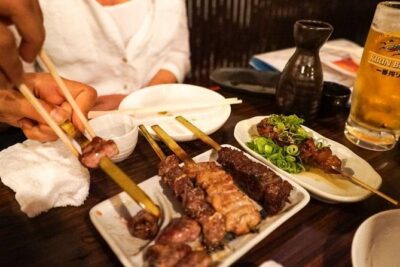
Osaka Bar Hopping Night Walking Tour in Namba (3 bars, 6 tastes)
Read our review →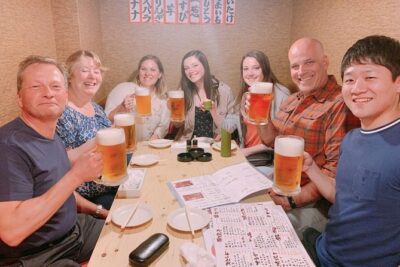
Tokyo: Shinjuku Bar Hopping with All-You-Can-Drink & Dinner
Read our review →
Tokyo: Shinjuku Local Bar Hopping Walking Tour
Read our review →
Shibuya Meltdown Night Tour: All-You-Can-Drink Bar Hopping
Read our review →Browse the lists this tour appears in